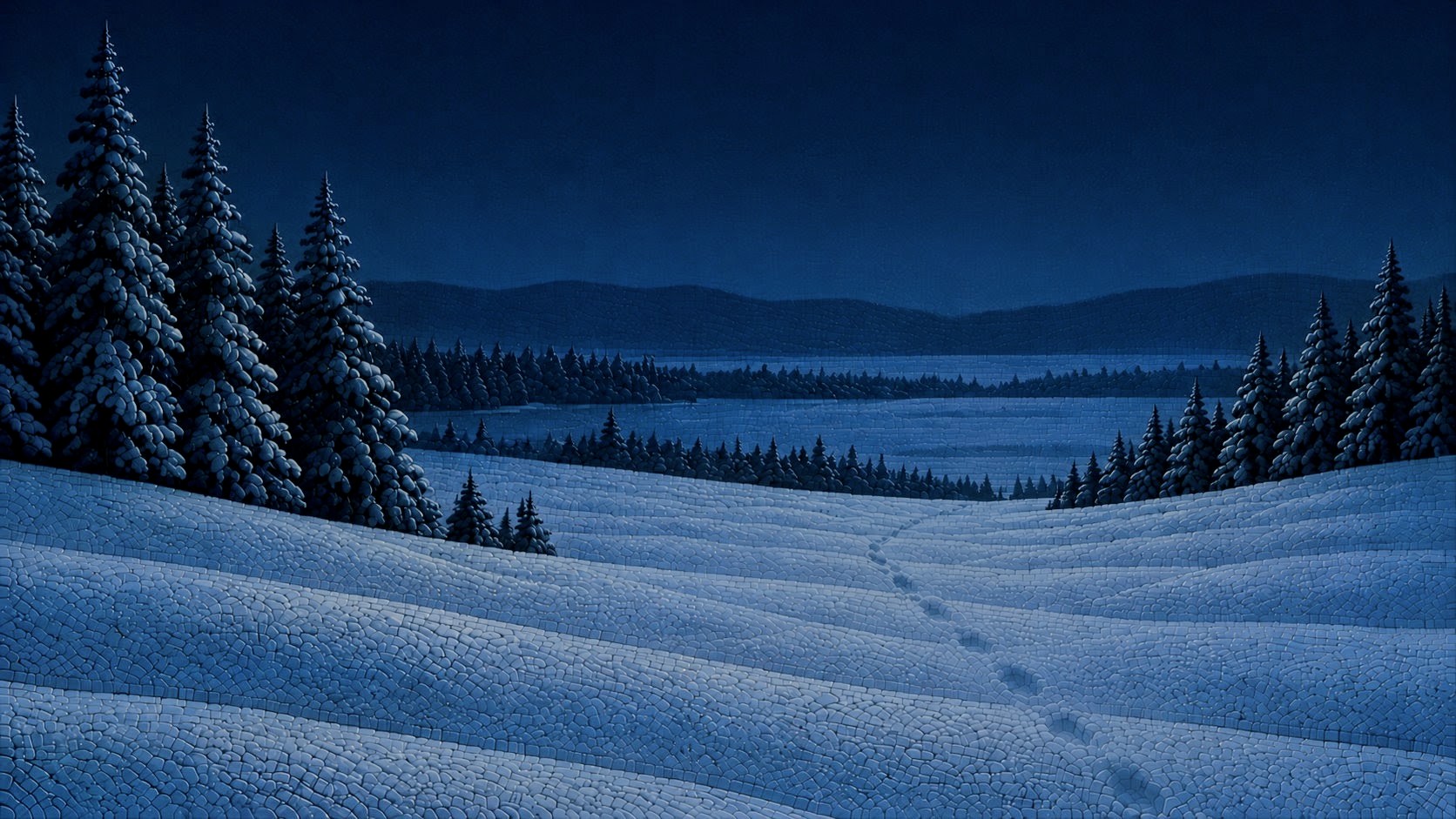
On farewell, determination, longing, new possibilities – and, not least, how I use AI
Many people regard AI as a form of theft and an easy way to cheat, both in literature and in the visual arts. This reaction is understandable, but what if the reality is more nuanced? What if AI can also contribute something positive to these fields?
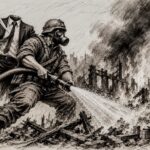
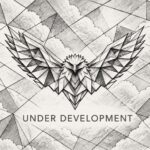
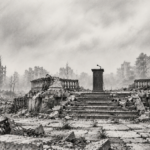
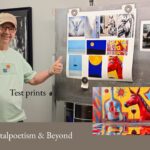
Here is a digital poem in four images, created with the help of AI:
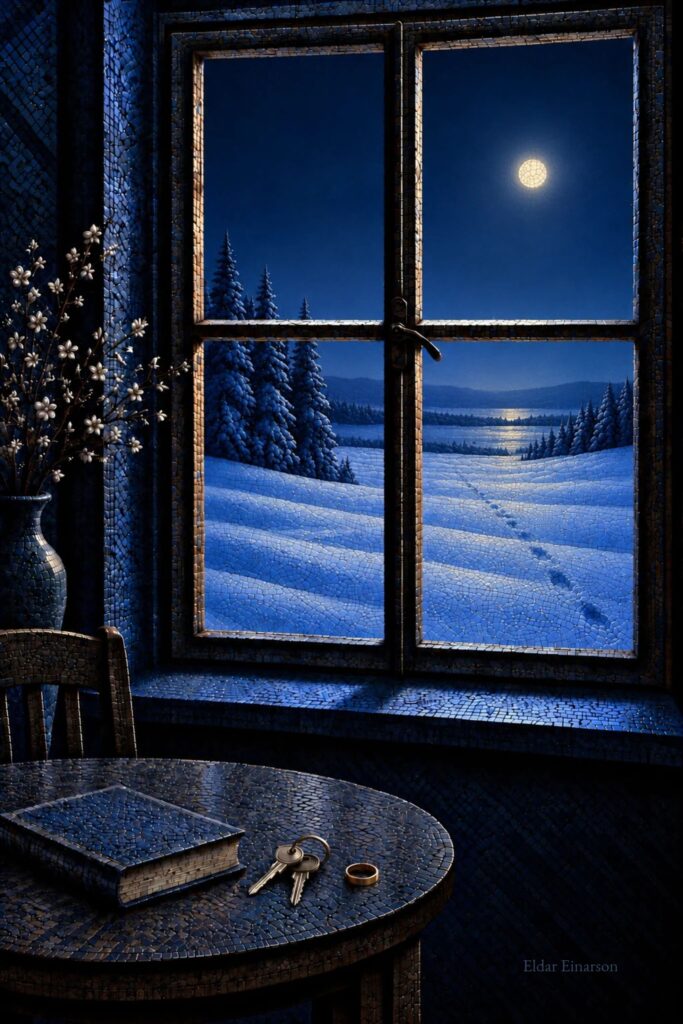
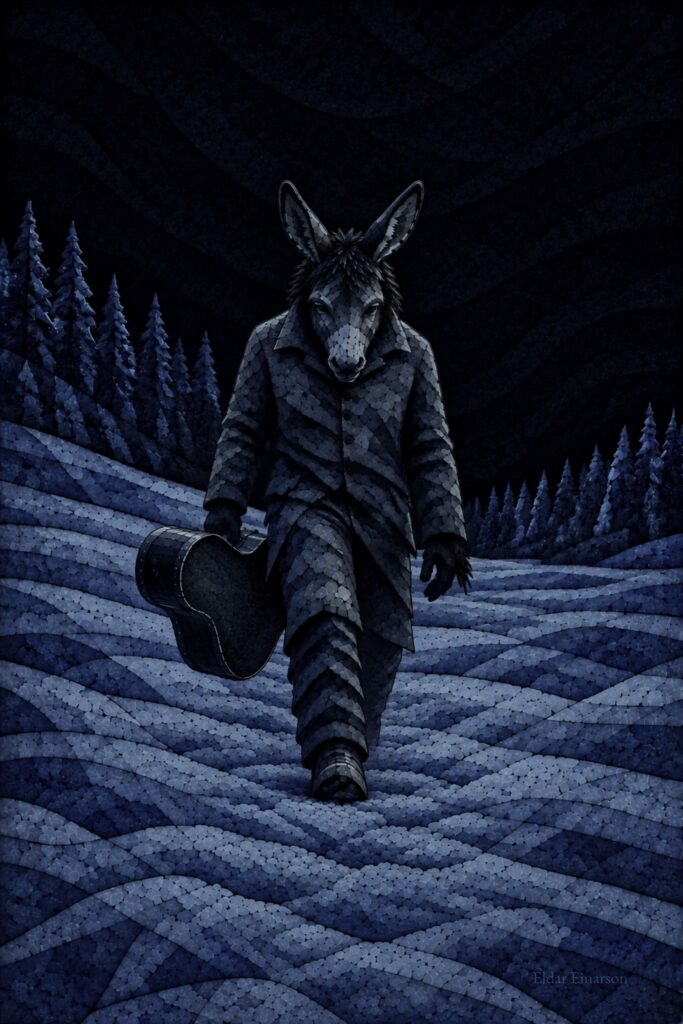
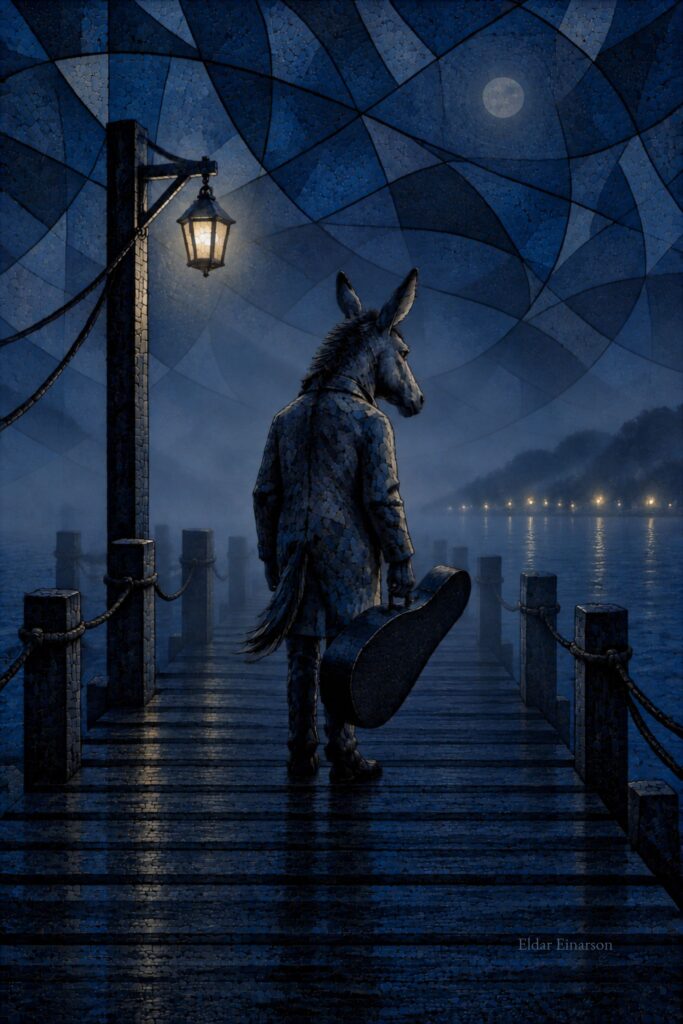
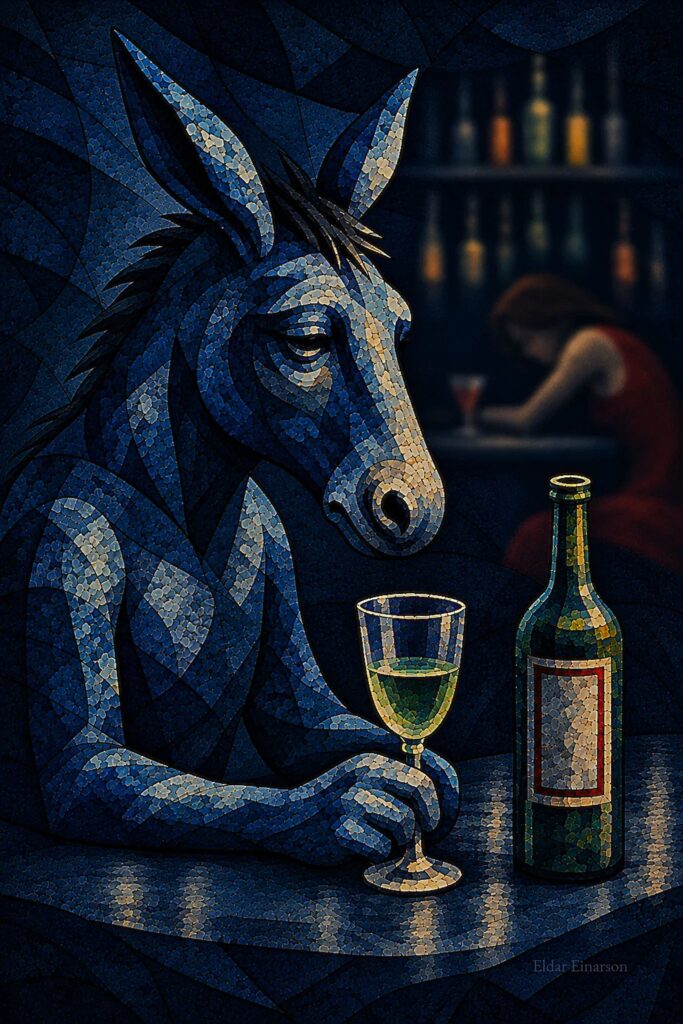
I have drawn inspiration from old broadside ballads and from the possibilities AI offers for expressing such folk traditions visually.
The visual style is inspired by mosaics and stained glass. I wanted to connect the very latest technology with elements of some of humanity’s oldest visual traditions. Small stones, pieces of glass, colours and light have been used for centuries to create images.
I now use AI to explore a similar visual language through a process that resembles filmmaking more than traditional image-making. The technology has not given me the ideas, only new ways of bringing them to life.
Personally, I don’t use the word “art” to describe my own images. I work somewhere on the border between kitsch and art. What matters is that people stop for a moment and are moved by the images I create, not whether they qualify as art.
But using AI also requires us to try to find our own answers to the profound questions that come with it. For thousands of years, we have struggled with the relationship between knowledge, power and moral responsibility. Today, AI offers us enormous possibilities, but also dangers we cannot fully foresee. Four biblical stories shed light on our moral responsibility.
The Tree of Knowledge: We seek knowledge and power without possessing the wisdom to deal with the consequences.
The Tower of Babel: A grand collective undertaking collapses amid a confusion of languages. Could AI cause us to lose the ability to distinguish truth from lies?
The Strong Man’s House: We must restrain the economic and political forces that control AI. But can we bind the strong man with his own rope?
By Their Fruits You Will Know Them: AI must be judged by the fruits it bears. Now bombs and grenades grow side by side with apples and pears.
I am afraid of the catastrophic consequences AI could bring about. It must be developed within a framework of strong safeguards. Already, it raises serious questions about the location of AI infrastructure, resource consumption, copyright, artists’ livelihoods, the concentration of power, manipulation, and what happens when more and more of our culture is produced by machines. These questions must be taken very seriously. The claim that AI “steals” from other people’s work has become an important part of the debate. It is entirely possible that books and images I have created myself have been used without my permission to develop AI. I do not consider that unproblematic.
But I also see another side to this: When the technology is built on an enormous body of human-created material, it also gives those of us who have contributed to this shared resource an opportunity to benefit from the result. This does not resolve the questions of copyright or fair compensation, but to me it is an argument for making the technology accessible to as many people as possible.
Throughout history, new technology has transformed art, and AI represents yet another upheaval, perhaps more far-reaching than any before it. There are three questions that matter to me:
1. Should we refrain from using a technology with enormous creative potential because it can also be misused?
2. Do we, on the contrary, have a responsibility to use AI to strengthen human values while demanding control over its development?
3. At what point does our use of AI also become a legitimisation of a development we ourselves fear?
One thing I particularly like is that AI can open up creative opportunities to people with limited financial resources, giving them access to forms of expression that once required money, equipment and collaborators.
I can no longer produce films the way I once did. But I can still tell stories through the images I now create with the help of AI.
For me, that is a form of artistic freedom.
This does not mean that I see AI as a replacement for human creativity. On the contrary, I believe the human element becomes even more important when technology can produce almost anything.
When everything is possible, the question becomes what we actually want to create.
I have no ambition to compete with artists who work with brushes, chisels or other traditional techniques.
I want to explore my own form of expression using the tools now available, tools that allow me to draw on my talent and experience.
I hope my images can offer someone an experience, a smile, a moment of reflection, something they can carry with them.
And I hope more people will discover that AI does not have to be merely a tool for efficiency, commercialisation and mass production. It can also be used to create something personal, poetic and meaningful. I believe we need as many people as possible to use these new possibilities for good, while continuing to ask critical questions about how the technology is developed and who controls it.
History teaches us that moral dilemmas cannot be resolved through awareness alone. They require action. The challenge is not to turn away from the technology, but to use its potential to strengthen human values while restraining the powers that would misuse it. We must fight to make this possible, even when the challenge seems insurmountable.
You can watch the four images featured at the beginning of the article brought together in a short music video here.
Featured image © Eldar Einarson. Created and artistically directed using AI.