As my wife Grace wrote here some weeks ago, I was invited earlier this year to exhibit some of my artworks at a summer gallery in the artist town of Kragerø on the coast of Telemark, Norway, where I grew up.
There I met friends I had not seen for forty or even fifty years. They remembered me as someone wild and fun to be around, and they were genuinely delighted to see me again.
This is the story of a reunion that reminds us that friendships endure, and that sometimes it can take an extraordinarily long time to finish a painting.
Let us go back fifty years.
It is the summer of 1976. I am twenty-nine years old, working both as a documentary filmmaker for NRK, Norway’s public broadcasting corporation, and as an independent feature film director and producer.
At the time, I had a close connection to the artist town of Kragerø. My parents, my two younger brothers and I had moved there in 1960, when I was thirteen years old. Both of my parents were artists, and we quickly became friends with the town’s young generation of aspiring painters.
Those friendships grew stronger over the years, and by 1976 two of them were beginning their artistic careers. The painters Tore Juell and Thorvald Lund Hansen had already reached a level that led me to feature them in a television documentary about artists in Kragerø.
Around the same time, I also made a documentary about how sterile concrete buildings were gradually replacing the town’s beautiful wooden architecture. Thorvald Lund Hansen appeared in that film as a passionate defender of the richness and beauty represented by the old town.
When I returned fifty years later to exhibit my own work, something rather remarkable happened.
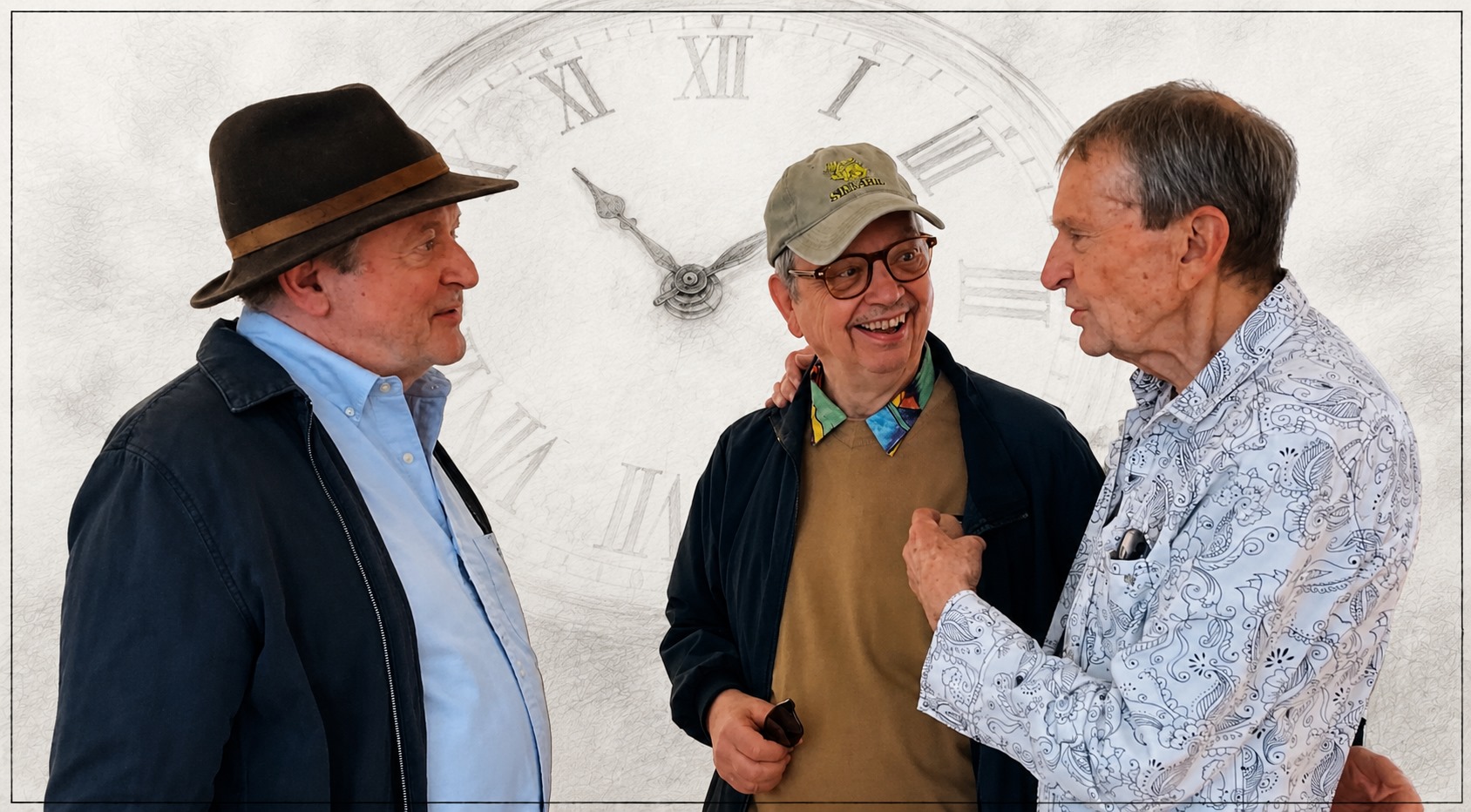
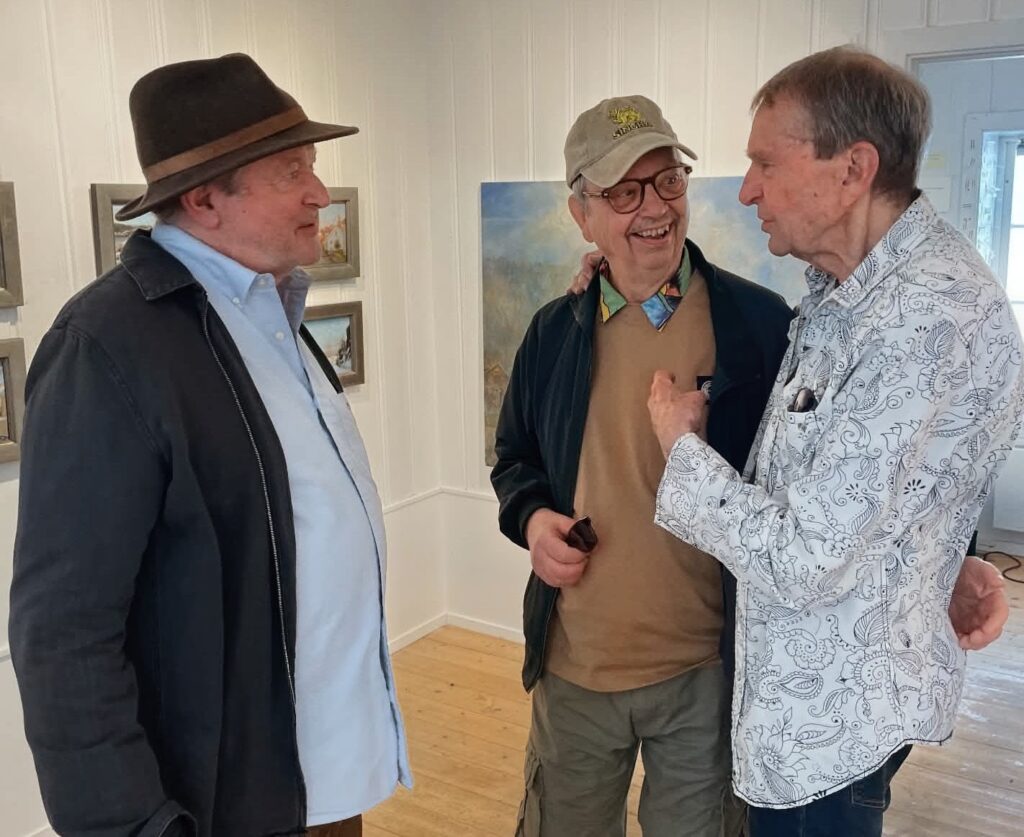
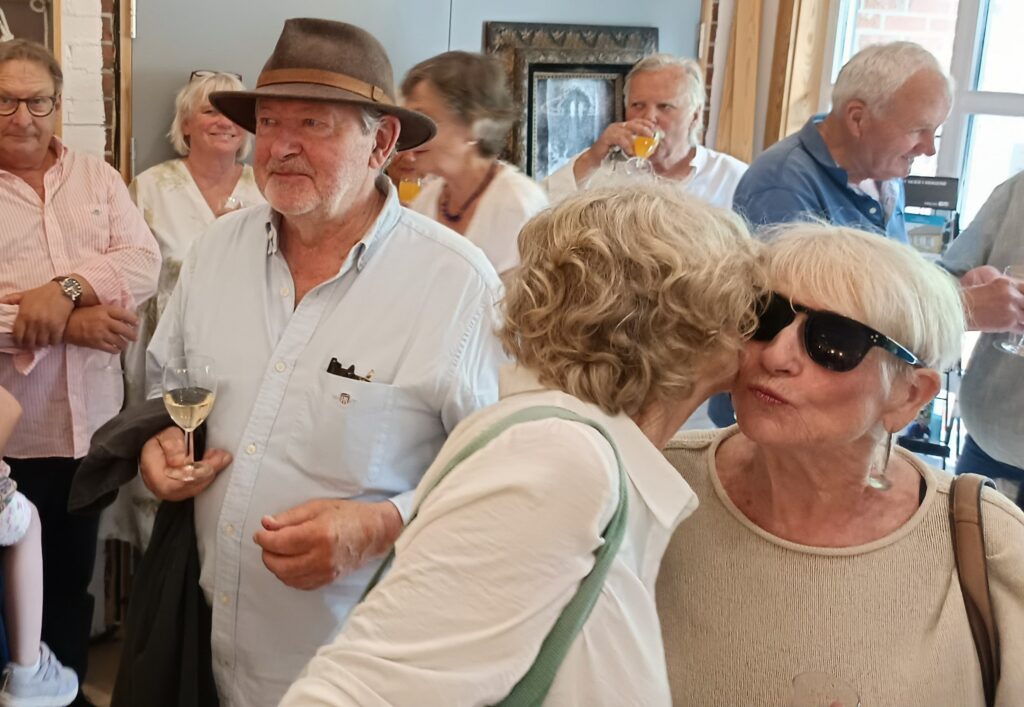
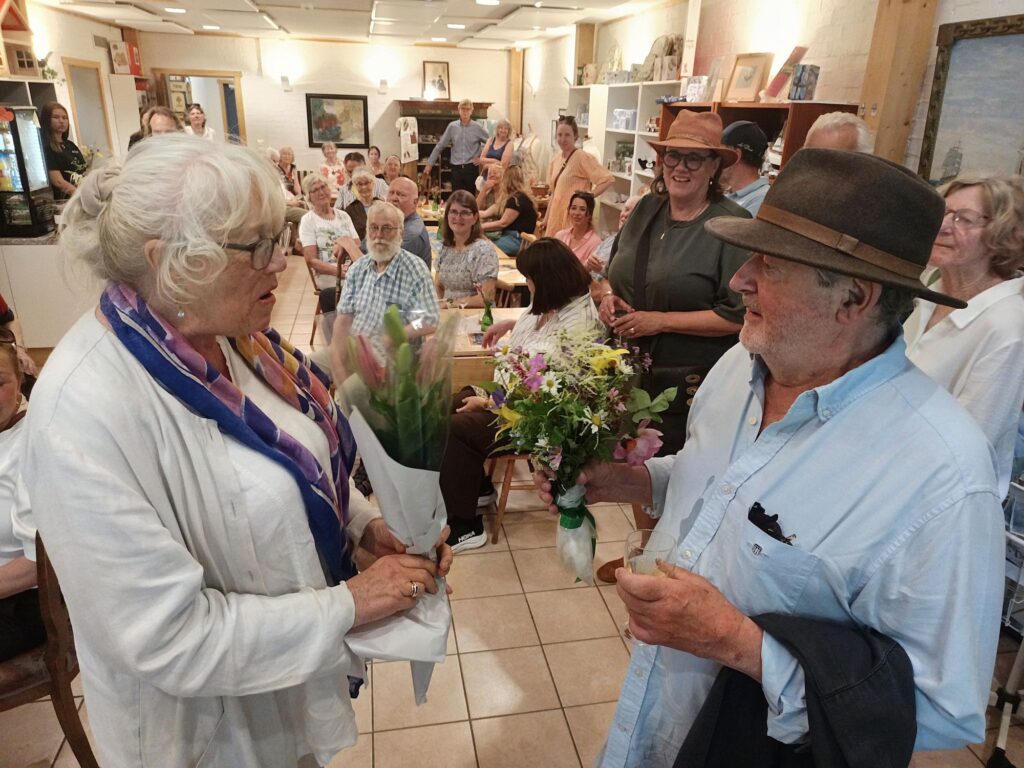
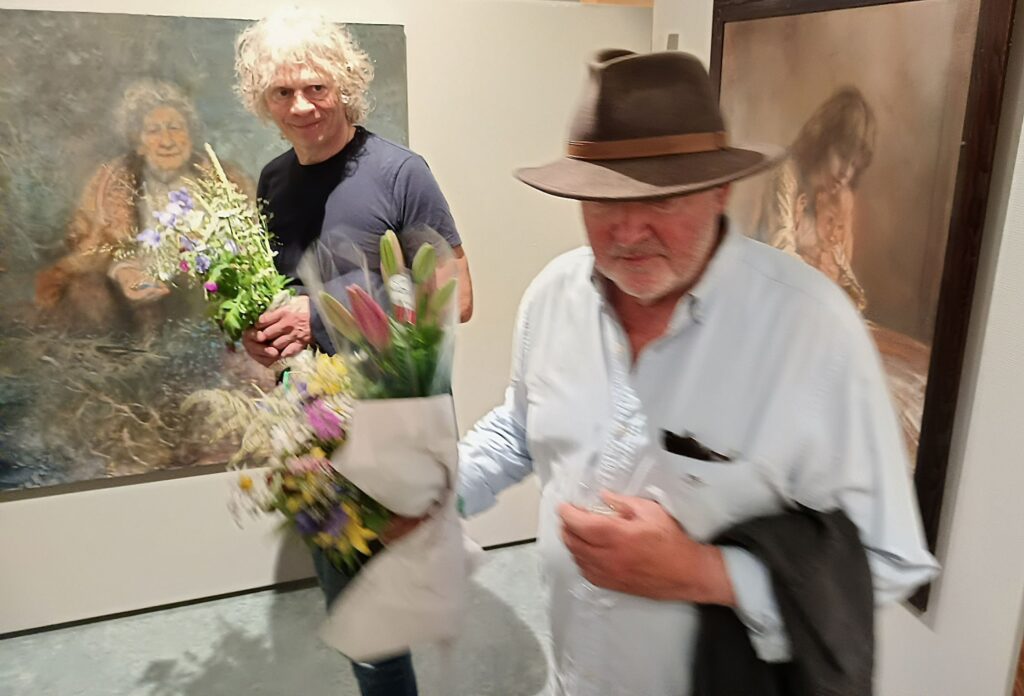
Tore Juell and Thorvald Lund Hansen were exhibiting together in a nearby gallery, and we experienced a pleasant reunion.
Both are now respected artists, and the very first thing Thorvald said to me was:
“I haven’t forgotten. I haven’t forgotten. You’ll soon get your painting.”
He walked me over to one of his paintings and explained that another painting, of the same size and with a similar atmosphere, would be delivered as soon as it was finished.
It was a painting that had already been fully paid for almost fifty years earlier.
Back in the late 1970s, Thorvald had found himself stranded in New York without enough money to buy a ticket home to Norway. To help him out, I commissioned a seascape and paid for it in advance. He promised to paint it as soon as he returned home.
I never asked why it had taken so many years.
Tore Juell was standing beside us, and the conversation quickly turned to another memory from those days. During the filming in Kragerø, he had borrowed money from me so he could travel to Marbella, Spain. There he later painted a portrait of the legendary pianist Arthur Rubinstein—a commission that helped launch his international career.
A few years later, I happened to walk past a gallery near Oslo City Hall when I heard someone call my name.
I turned around and saw Tore Juell standing in the doorway.
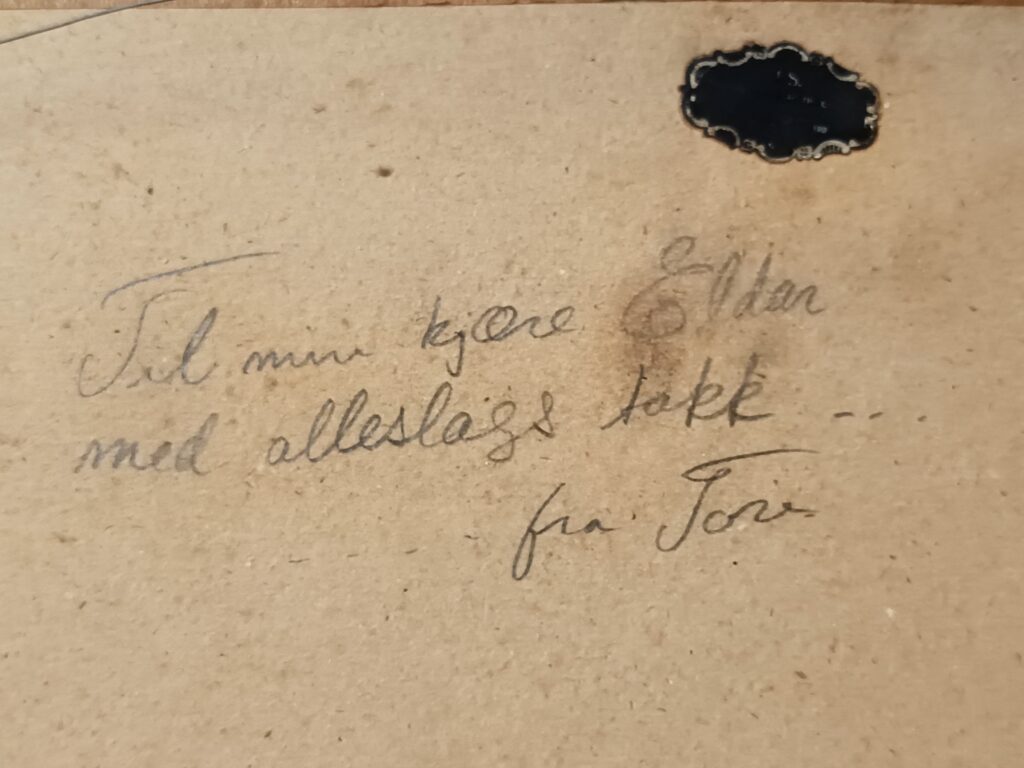
He asked me to wait, ran back inside, took one of his paintings down from the wall, wrote “To my dear Eldar, with heartfelt thanks for everything… From Tore.” on the back, returned outside, and handed it to me.
That painting now hangs in my bedroom in Davao.
For a brief moment, distant memories became vividly alive again.
Old friendships were instantly renewed, as though the years between us had disappeared. Time, fortunately, has surprisingly little power over genuine friendship.
Art, however, is another matter.
Art sometimes needs time.
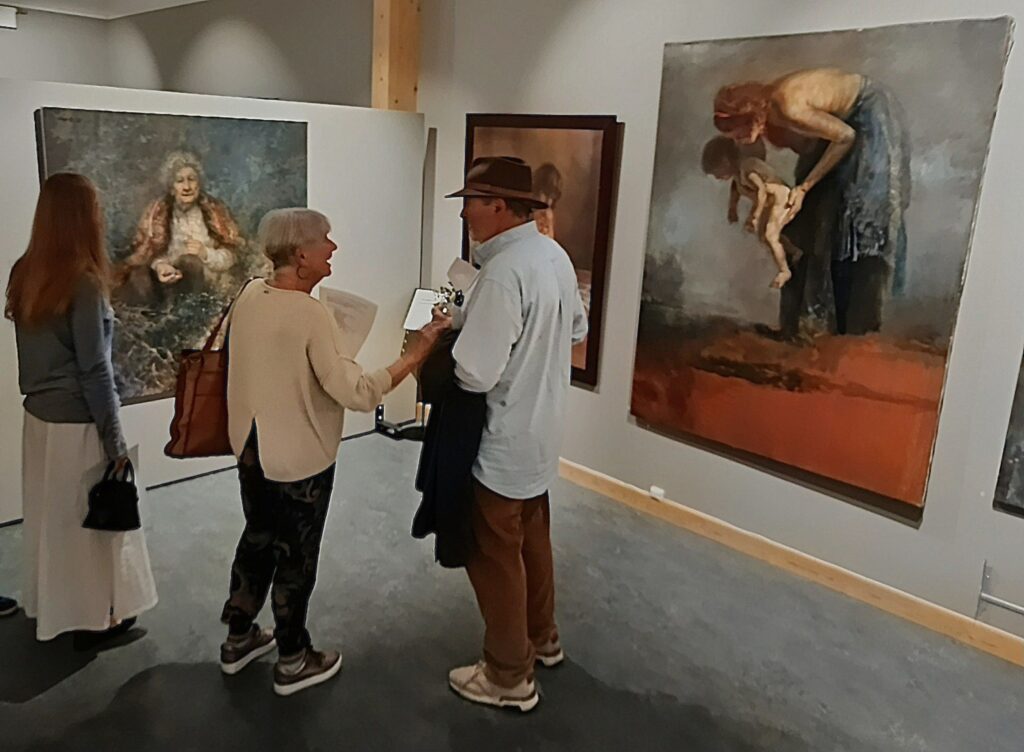
That became even clearer a week later, when Thorvald Lund Hansen opened a separate exhibition at Berg Museum in Kragerø, presenting selected works from a lifetime devoted to painting.
With remarkable fidelity to the traditions of the old Dutch masters, he has never abandoned his conviction that painting is a demanding craft, one that finds its true form only through study, patience, discipline, and decades of dedicated work.
The exhibition was of exceptionally high quality, and I congratulated him for remaining true to his artistic ideals throughout his career.
As I reflected on our conversation, it struck me that perhaps there was a reason it had taken almost fifty years before he finally felt ready to say: “Your painting will soon be finished.”
I believe the answer is surprisingly simple.
Only now does he feel that he can truly stand behind it.
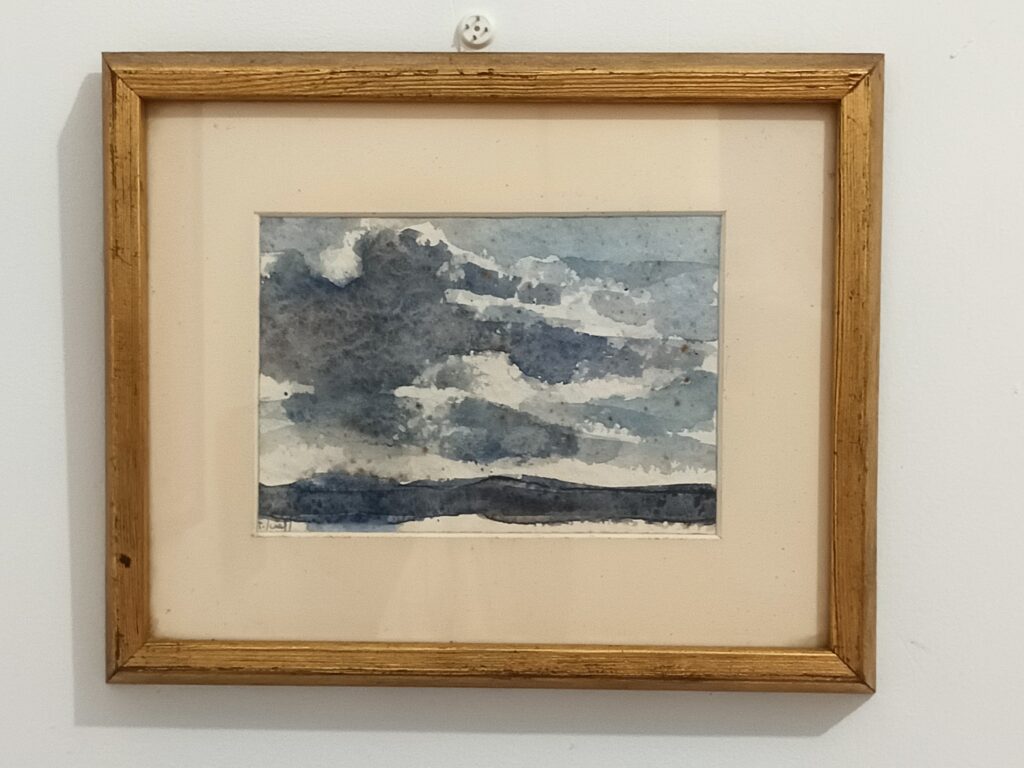
Seascapes were never part of his artistic language during the 1970s, nor, as far as I know, at any later stage of his career. His paintings were always firmly rooted on land.
As a young artist, he greatly admired the English landscape painters John Constable and J. M. W. Turner. Yet while Constable’s influence found its way into his work, the spirit of Turner seems to have waited patiently in the background.
Perhaps that influence needed fifty years to mature.
Only now does he embrace the sea, the islands, the morning mist, and the quiet atmosphere of the Norwegian archipelago as subjects worthy of his own artistic voice.
If that is the case, I can easily forgive the long wait for the seascape I challenged him to paint all those years ago.
Some paintings refuse to be rushed.
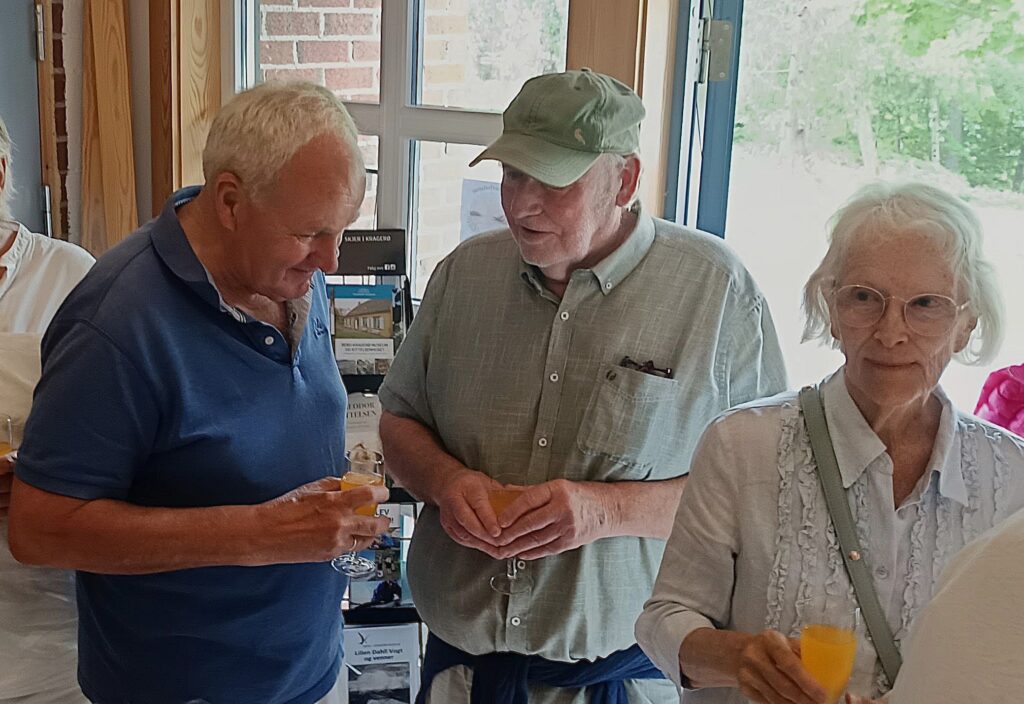
Our meetings during this visit were unfortunately brief, but they were enough. It was comforting to discover that I had not been forgotten. And perhaps that is one of life’s quiet gifts. Sometimes we spend years wondering whether we have meant anything to the people we once knew. Then, decades later, a single sentence is enough to erase every doubt.
“I have not forgotten.”
Those four words may have been worth waiting fifty years to hear.
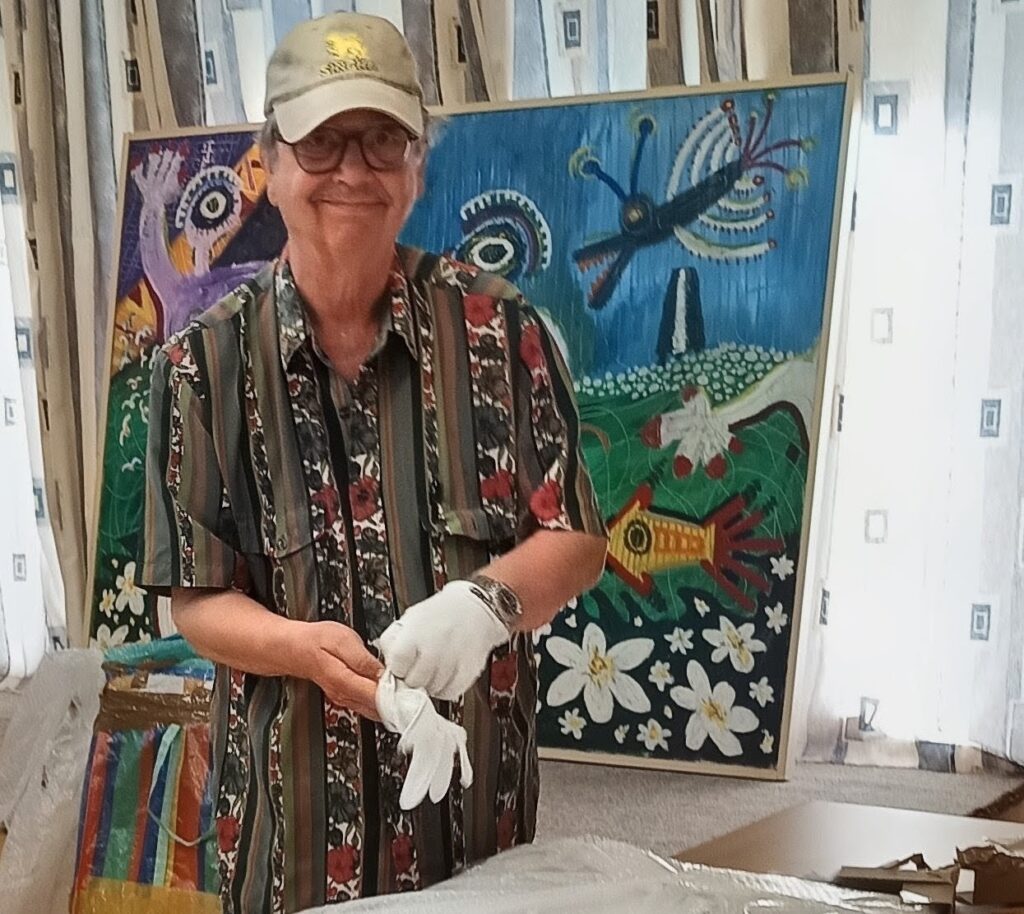
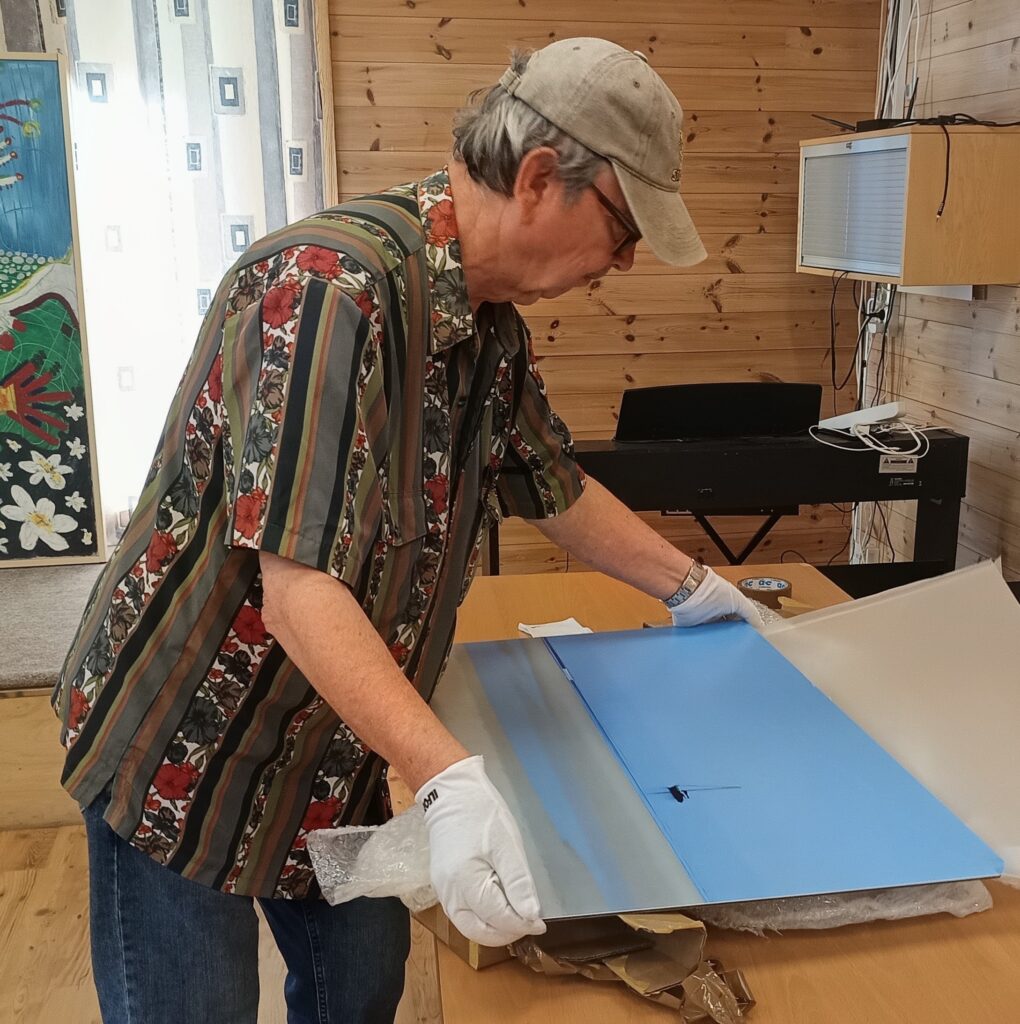
People sometimes ask me how it feels, after a lifetime as a filmmaker, to work with artificial intelligence and digital tools creating still images.
To me, it feels perfectly natural. When I made films, I worked in the same way.
I wrote the scripts, assembled the team, and collaborated with specialists in cinematography, lighting, sound, set design, costume design, editing, music, and other disciplines. Each contributed skills I did not possess myself. My task was not to master every craft. My task was to imagine the finished work and lead the creative process towards that vision.
I still begin with an idea and a few short sentences describing what I want to achieve. In filmmaking, we call this a synopsis. In the world of AI, we call them prompts. The difference from film is that my collaborators are now all digital. I have all the expertise at my fingertips and draw on what I need through a dialogue with the AI tools I use.
There is nothing fundamentally new about this.
Throughout history, artists have relied on assistants. In the workshops of the Renaissance, apprentices painted backgrounds, landscapes, drapery, animals, and architectural details according to the master’s instructions. The master conceived the vision, guided the work, and decided when the painting was complete.
In Norway, Adolph Tidemand and Hans Gude are celebrated because they combined their strengths. One painted the people, the other the landscape. Together they created works neither could have achieved alone.
Having access to digital specialists in the cloud is, to me, simply another chapter in the same long tradition.
What has never changed is this: Without knowledge, experience, and artistic vision, the tools accomplish nothing of great significance.
Technology has never created great art on its own. People do.
As a filmmaker, I spent decades creating moving images. Today, I strive to create a single image that moves you.
New tools have always been met with suspicion. Photography was once dismissed as a mechanical shortcut. Film was criticised for lacking the dignity of painting. Digital photography was said to destroy craftsmanship. Today, artificial intelligence has become the newest target.
During the opening of his exhibition at Berg Museum, Thorvald Lund Hansen spoke movingly about his mother, Miriam.
For years he had wanted to honour her with a portrait.
Again and again, he tried.
Again and again, he failed.
Eventually he turned the canvas around so it faced the wall, leaving it there until the day he finally understood what the painting needed. He remarked that this long process of unconscious artistic maturation is something a computer can never perform.
He is absolutely right. But neither can a paintbrush. The brush does not create the painting. The hand does. And the hand follows the mind.
The same slow process of reflection, doubt, discovery, and artistic growth exists whether an artist works with oil paint, charcoal, photography, or digital tools.
Artificial intelligence cannot replace that journey.
It can only become one more instrument in the hands of someone who has spent a lifetime learning to see. The same human imagination that once carved wild animals into cave walls now explores entirely new visual possibilities through pixels and algorithms.
Art has always moved forward by opening new doors whenever new possibilities appeared. I find that deeply encouraging.
And in a studio in Kragerø, a painting has been waiting almost fifty years to be finished. I look forward to seeing it, hopefully soon.
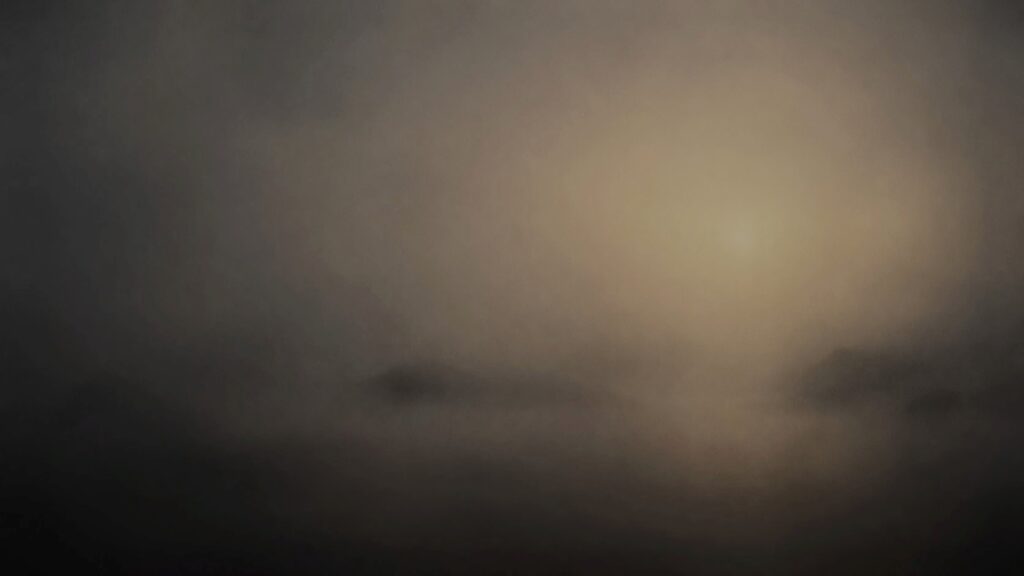
Featured image © Eldar Einarson